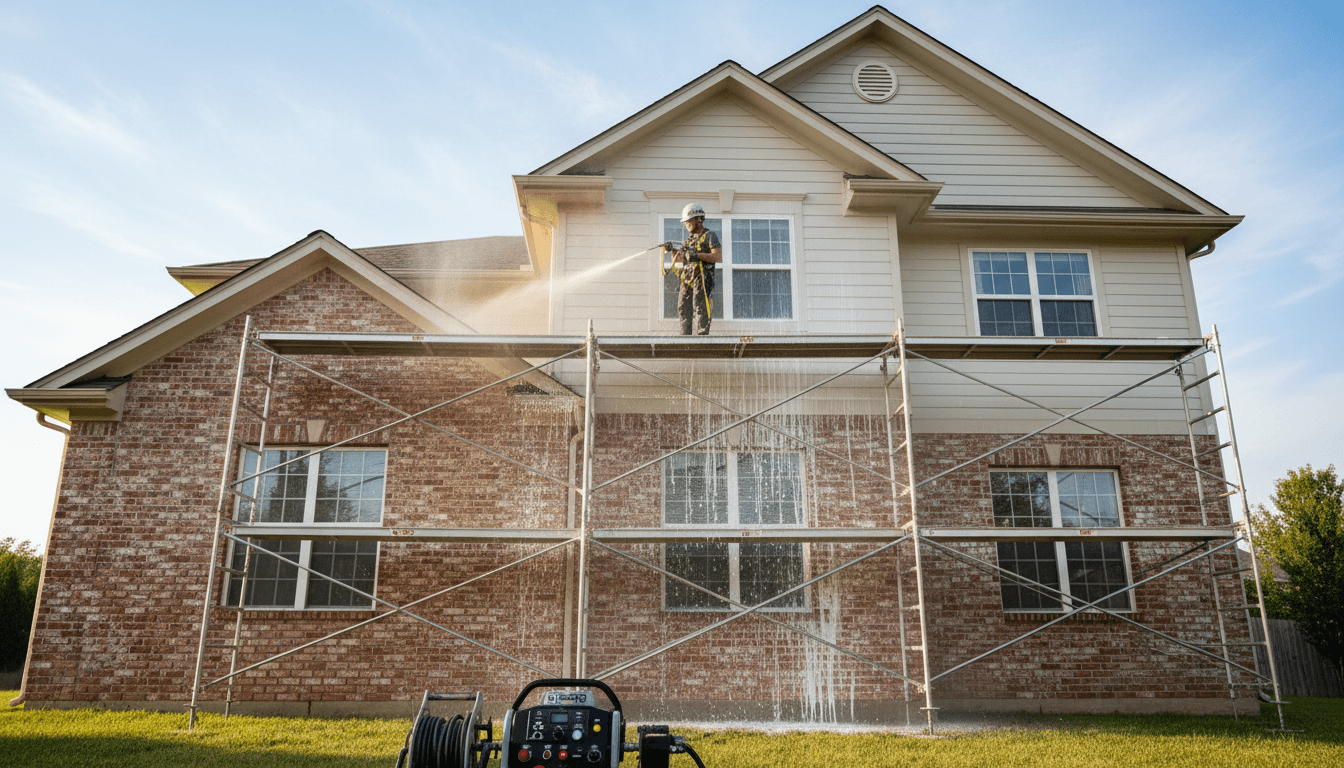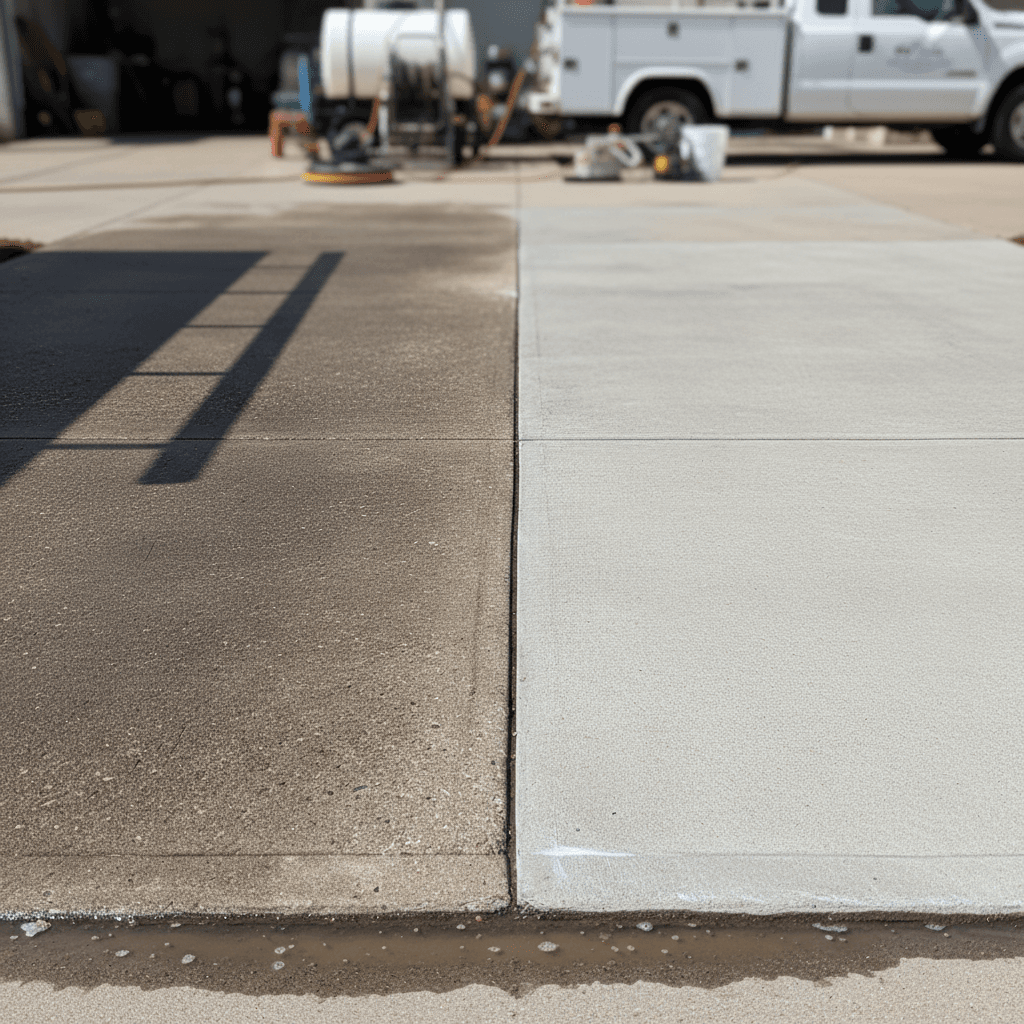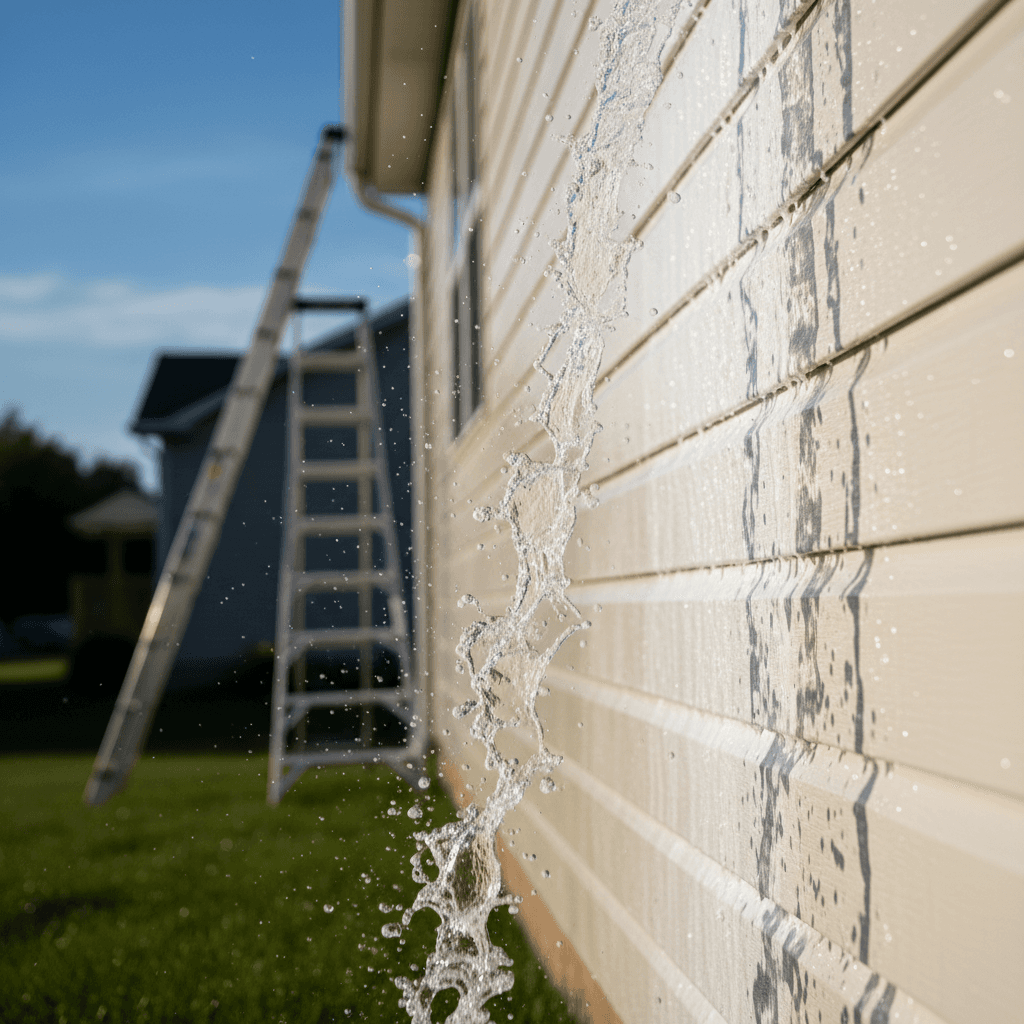
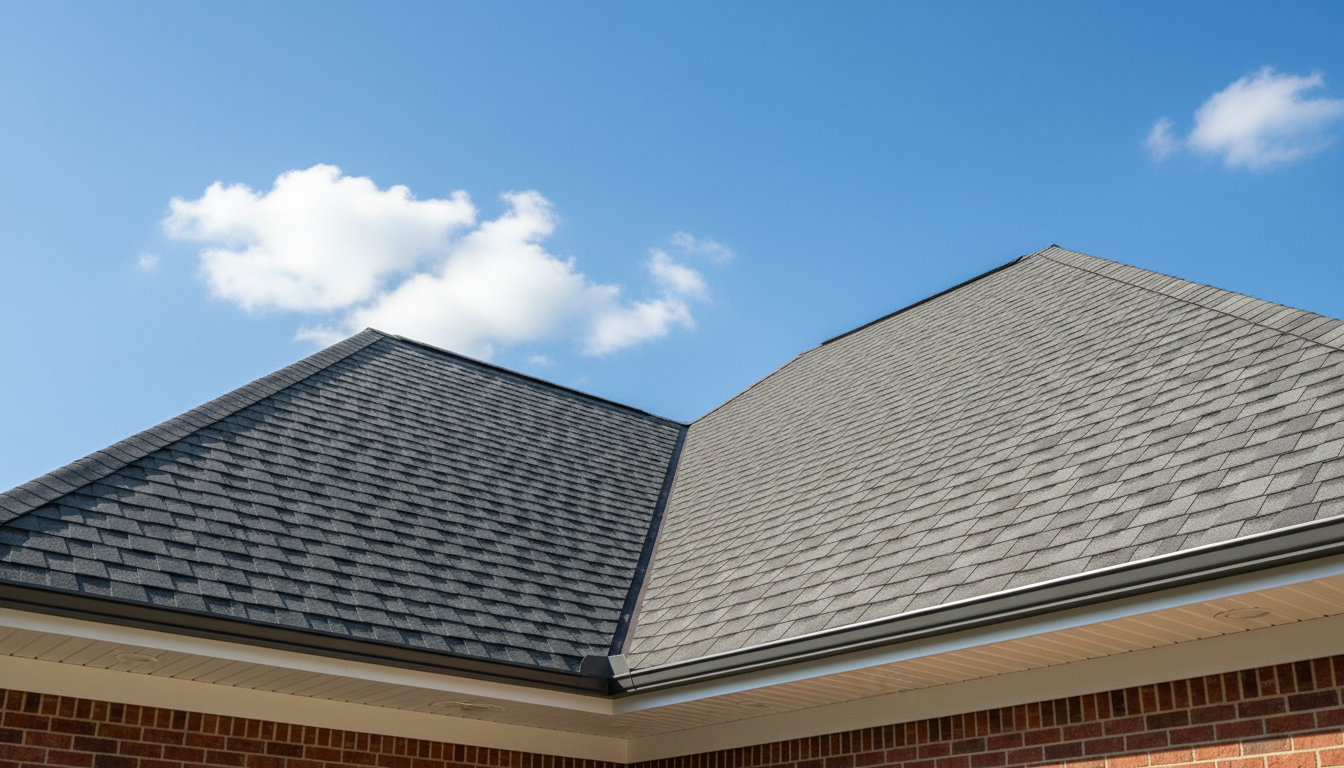
Yes, roof soft washing black streaks removal is the most effective solution because it uses specialized treatments to kill the Gloeocapsa magma algae at its source. This low-pressure method safely restores your home's curb appeal without damaging shingles or stripping away protective granules like traditional pressure washing.
You look up at your roof and there they are again, those dark, ugly streaks running down your shingles like something went seriously wrong. You have been ignoring them, hoping they would wash away with the next rain, but they never do. If anything, they keep spreading. Here in Columbus and Phenix City, our humid climate makes this problem worse than most parts of the country, and what you do next matters more than you might think. Those streaks are not just a cosmetic issue, and grabbing a pressure washer to blast them off could be one of the most expensive mistakes you make as a homeowner. In this article, we will break down exactly what is causing those black streaks, why soft washing is the right solution, and what realistic results look like when the job is done correctly.
TL;DR: Yes, Soft Washing Removes Black Streaks, But Here Is What You Should Know First
Yes, roof soft washing removes black streaks, and it is the only method that does so without damaging your shingles. Those dark streaks are caused by Gloeocapsa magma, an airborne algae that feeds on the limestone filler in asphalt shingles, and soft washing kills it at the cellular level using a low-pressure, sodium hypochlorite-based solution. Results are typically visible within minutes, to weeks, depending on severity, with a low pressure rinse. Then a post treatment is applied to continue to protect your shingles. This article covers exactly what those streaks are, why Columbus and Phenix City homes are especially vulnerable to them, how the soft wash process works, and what to realistically expect once the job is done.
What Are Those Black Streaks on Your Roof Shingles?
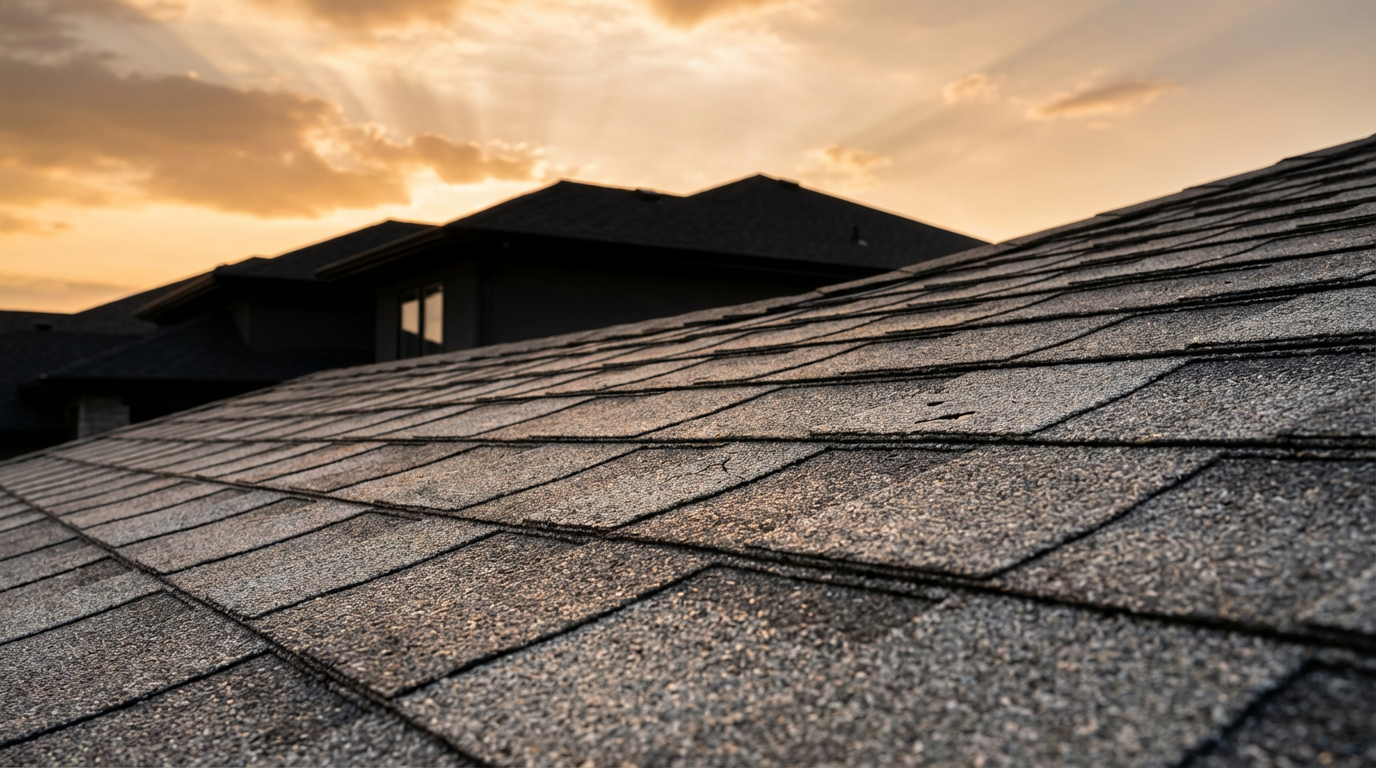
That dark buildup on your shingles, the stuff homeowners often search for as "roof black stuff" wondering if something is seriously wrong, has a specific cause that most people never identify correctly. It is not soot, not damage from overhanging trees, and not a sign that your roof is defective. What you are looking at is Gloeocapsa magma, an airborne blue-green algae that travels on wind and settles onto roofing surfaces across entire neighborhoods.
Asphalt shingles are manufactured with limestone as a filler material, and that limestone is essentially a food source for Gloeocapsa magma. Once the algae takes hold, it feeds on the shingle and begins to spread. The dark color that makes the streaks so visible is not the algae itself. It is a UV-protective pigment the algae secretes as a defense mechanism, which is why the staining looks so dark and defined even on lighter-colored roofs.
Colonies typically establish near the ridge first, where moisture tends to linger, then spread downward in streaking patterns as the algae grows. This is one of the most commonly misdiagnosed roof problems homeowners face, often mistaken for mold, tree debris staining, or a manufacturing defect. None of those explanations are accurate. The cause is biological, and treating it requires killing the organism, not just rinsing the surface.
Why Columbus and Phenix City Homes Get Black Streaks More Than Most
The previous section explained what Gloeocapsa magma is and how it behaves. What it did not cover is why homeowners in Columbus and Phenix City see it so aggressively compared to drier parts of the country. The short answer is that this region gives the algae almost everything it needs to thrive.
Gloeocapsa magma favors warm temperatures, persistent humidity, and regular moisture. Columbus, GA checks every one of those boxes. Georgia summers regularly push heat and humidity into conditions where moisture lingers on roofing surfaces for hours after rain or even overnight. That extended damp window is exactly when algae colonies establish and spread. Unlike climates with hot, dry stretches that interrupt growth cycles, the Columbus area rarely gives roofs a prolonged dry-out period during the warmer months.
Tree canopy makes the problem more pronounced in heavily wooded neighborhoods throughout Columbus and Phenix City. North-facing roof slopes and shaded sections dry out far more slowly than open, sun-exposed areas, which means algae there gets more time to feed and expand before conditions change. Overhanging branches also deposit organic debris that holds additional moisture against shingles.
Because Gloeocapsa magma is airborne, it spreads easily across an entire subdivision once it establishes on one roof. Wind and birds carry spores from one property to the next, so neighboring homes are at risk even if their roofs were recently cleaned. In dense residential areas common across Columbus and Phenix City, that kind of lateral spread happens quickly.
Are Black Streaks on Your Roof Dangerous or Just Ugly?
The honest answer is both, and the longer you wait, the more the balance shifts toward dangerous.
On the cosmetic side, black streaks visibly age a home. A roof that looks clean and uniform reads as well-maintained; one covered in dark streaking patterns reads as neglected, regardless of the actual condition underneath. For homeowners in Columbus and Phenix City thinking about resale value, curb appeal matters more than most people account for. A streaked roof is one of the first things a buyer or appraiser notices, and it raises questions about what else may have been left unattended.
The structural concern is less visible but more significant over time. Gloeocapsa magma retains moisture against the shingle surface as it grows. That persistent dampness accelerates granule loss, and granules are not decorative. They reflect UV radiation and protect the underlying fiberglass mat from direct sun exposure. As granules wear away prematurely, shingles become more brittle and less effective at shedding water. Some shingle manufacturers also include language in their warranty terms that can allow denial of claims if algae damage is documented and left untreated.
None of this requires alarm. A roof with one or two seasons of streak growth is not failing. But black streaks left in place for several years shift from a cosmetic issue into a condition that shortens roof life and can complicate insurance and warranty conversations. Treating it sooner is simply the lower-cost decision over time.
Why Pressure Washing Your Roof Is a Mistake, and What to Do Instead
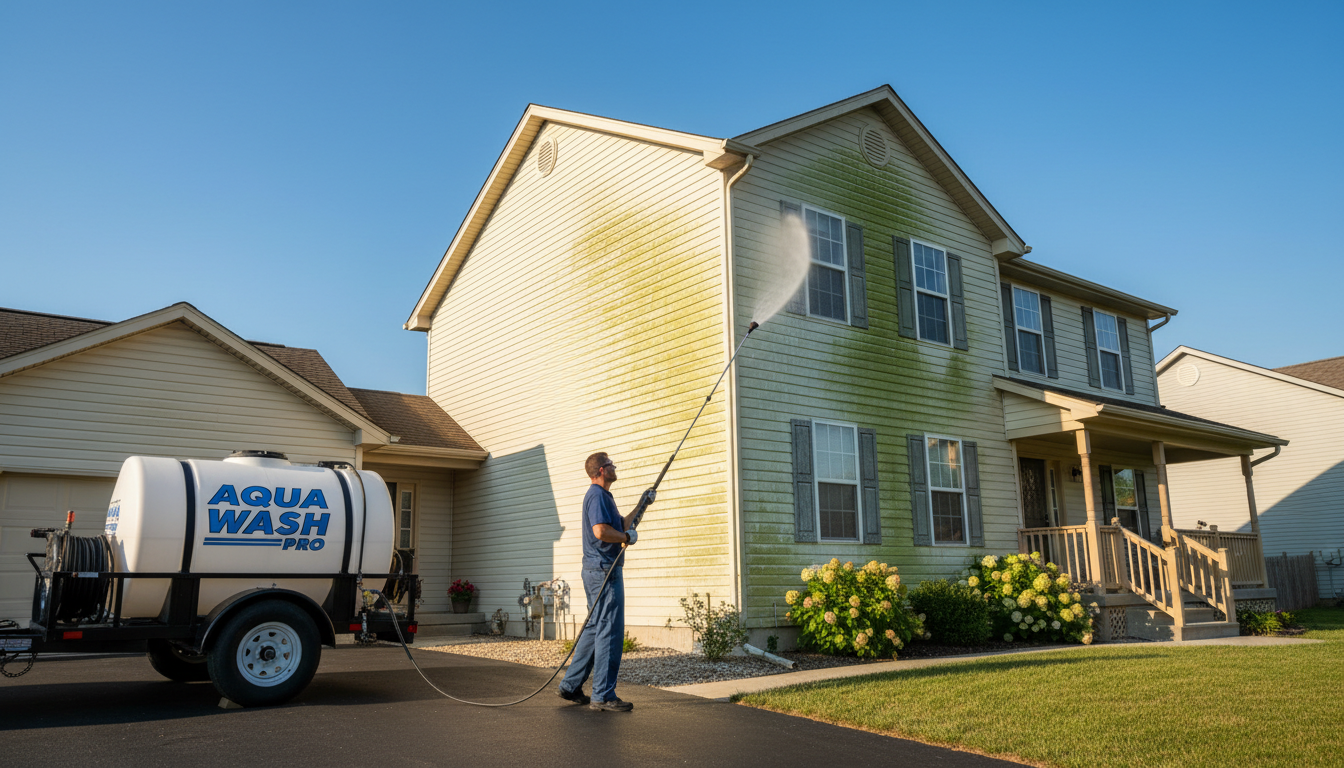
Knowing the streaks are biological is only half the problem. The other half is understanding why the most obvious solution, blasting the roof with a pressure washer, makes things significantly worse.
High-pressure washing damages asphalt shingles in three specific ways. First, the force strips granules directly off the shingle surface. Those granules are not cosmetic; they are the primary barrier between the fiberglass mat and UV exposure. Once they are gone, they do not grow back. Second, high-pressure water can be forced up and under shingle edges, introducing moisture into the roof deck and creating leak pathways that did not exist before the cleaning. Third, most shingle manufacturers explicitly exclude pressure washing damage from their warranty coverage, meaning a homeowner trying to solve a cosmetic problem can inadvertently void the protection they paid for when the roof was installed.
Soft washing avoids all of that. The process runs well under 500 PSI, which is gentle enough that the water delivery itself causes no physical damage to the shingle surface. The actual cleaning work is done by a sodium hypochlorite-based solution that penetrates the algae colony and kills it at the cellular level. This is not a surface rinse. The solution is applied and then given proper dwell time to break down the organism before any rinsing occurs.
Country Boys uses professional-grade equipment and surface-safe cleaning solutions formulated specifically for roofing materials. The chemistry does the work so the pressure does not have to.
What to Realistically Expect After a Roof Soft Wash Treatment
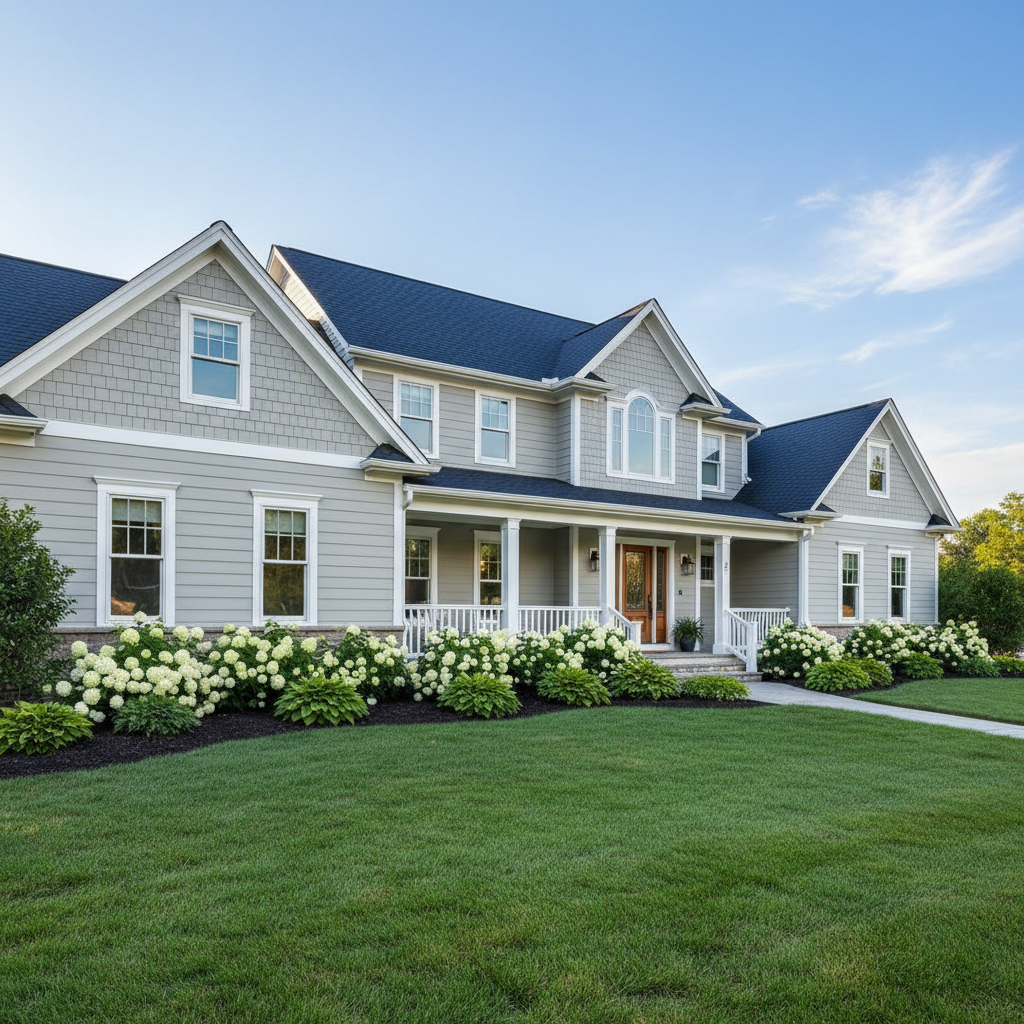
Knowing that soft washing kills the algae is useful. Knowing what the days and weeks after treatment actually look like is what separates a satisfied customer from one who thinks something went wrong.
The streaks will not disappear the same day the job is done. That is not a flaw in the process. The cleaning solution kills the Gloeocapsa magma colony during treatment, but dead algae still clings to the shingle surface. Rain gradually lifts and carries it away over the following 4 to 8 weeks. Most homeowners see clear, visible progress within 4 to 6 weeks, with full results apparent after a few good rain events.
On longevity: roof soft washing black streaks results typically hold for 2 to 4 years. That range is not vague for the sake of it. Shaded roofs with heavy tree cover in Columbus and Phenix City neighborhoods will sit closer to the 2-year end. More open, sun-exposed roofs with good airflow tend to stay clean longer. Very old or deeply set staining may need a follow-up treatment after the initial cleaning, which Country Boys will identify during the job assessment.
Landscaping and surrounding surfaces are protected throughout the process by pre-wetting plants and neutralizing runoff. Before any work begins, Country Boys walks homeowners through exactly what to expect so there are no surprises when the roof still shows faint streaking on day three.
How to Keep Black Streaks From Coming Back After Soft Washing
Keeping your roof clean after treatment is largely about removing the conditions that let Gloeocapsa magma reestablish. Given the Columbus and Phenix City climate, where heat, humidity, and tree canopy combine to create near-ideal algae conditions, prevention takes a little more intention than it would in a drier region.
Install zinc or copper ridge strips. Metal ions released by rain runoff are toxic to algae and inhibit regrowth across the roof surface below the strip. This is one of the most passive and cost-effective long-term prevention methods available.
Trim overhanging branches. Shade and debris are two of the biggest drivers of accelerated regrowth. More sunlight and airflow on the roof surface means shingles dry faster after rain, which shortens the window algae needs to spread.
Keep gutters clean. Clogged gutters cause water to back up and sit, keeping roof edges persistently damp. That moisture creep favors algae growth right where runoff lingers longest.
Schedule maintenance soft washing every 2 to 3 years. Treating early-stage growth costs less and causes less cumulative shingle stress than waiting until streaks are severe.
Consider algae-resistant shingles at next replacement. Many manufacturers now offer shingles with copper-infused granules designed specifically for humid climates.
Proactive maintenance is a straightforward investment when you factor in what roof replacement costs in comparison.
How Country Boys Handles Roof Soft Washing in Columbus and Phenix City
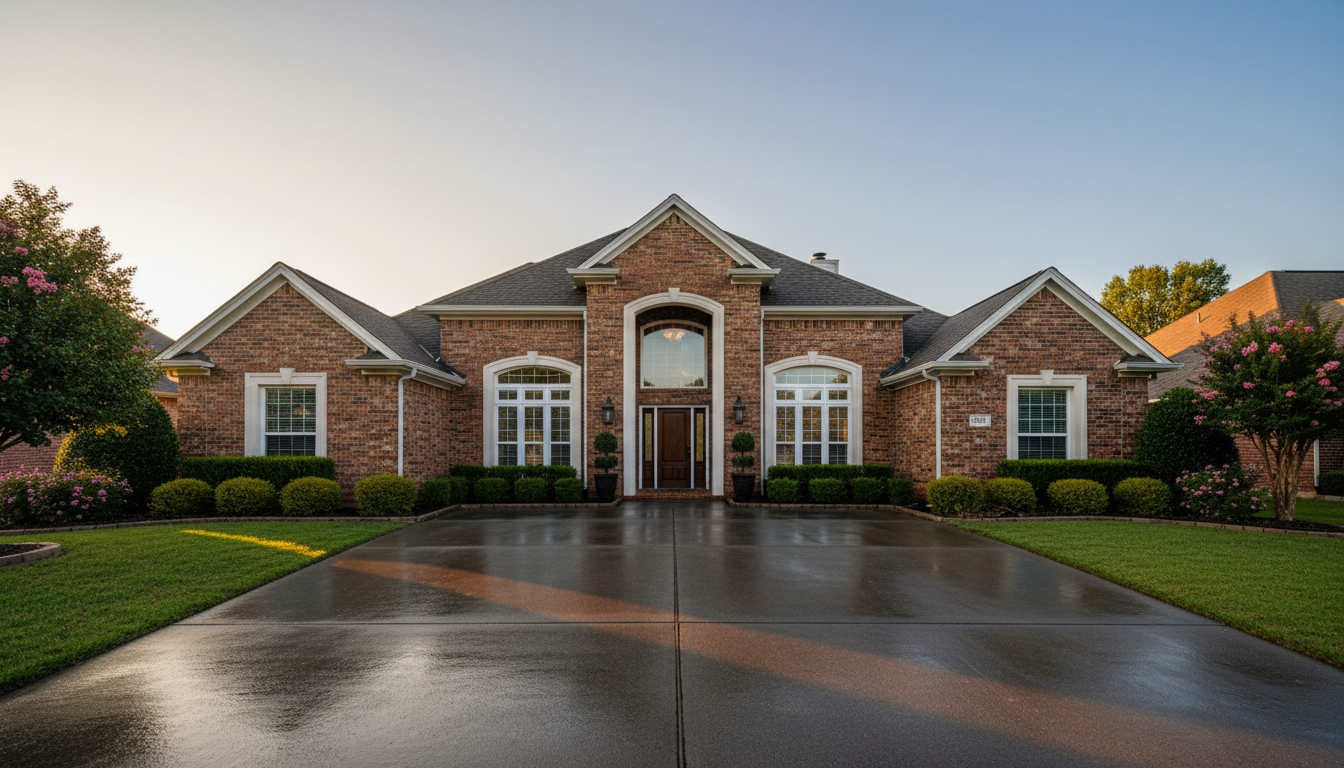
Prevention covers what to do between cleanings. Here is what the cleaning itself looks like when Country Boys handles it.
Before any solution goes on the roof, we assess the condition of the shingles and identify the extent of algae growth, moss, or any other organic buildup present. Columbus and Phenix City roofs tend to show a specific pattern of Gloeocapsa magma growth concentrated on north-facing slopes and shaded sections, and knowing where the heaviest colonies are helps us apply solution with the right dwell time in the right areas.
Landscaping below the roofline is pre-wetted before treatment begins. Plants and shrubs are protected throughout, and runoff is neutralized so surrounding surfaces are not affected by the cleaning solution.
The solution is applied from ridge to eave at low pressure, well under 500 PSI, using professional-grade equipment suited for residential roofing. We let it dwell long enough to kill the algae at the cellular level before a gentle rinse. The chemistry does the work, not the pressure.
We serve homeowners throughout Columbus, GA, Phenix City, AL, and the surrounding areas, and we price jobs honestly without hidden add-ons. If you want to see what this process produces on real roofs in this area, see our before and after results before scheduling your roof soft washing service.
Frequently Asked Questions About Roof Soft Washing and Black Streaks
Will a roof cleaning take the black streaks off my roof?
Yes, professional soft washing removes black streaks by killing the Gloeocapsa magma algae responsible for the staining. The sodium hypochlorite-based solution penetrates and destroys the colony at the cellular level during treatment. Dead algae gradually washes away with rain over 4 to 8 weeks, with most homeowners seeing full results within 4 to 6 weeks.
How long does roof soft washing last?
In humid climates like Columbus, GA and Phenix City, AL, roof soft washing black streaks results typically hold for 2 to 4 years. Roofs with heavy shade, dense tree canopy nearby, or north-facing slopes tend to see regrowth sooner. Scheduling preventive maintenance every 2 to 3 years keeps growth from reaching the point where it causes cumulative shingle damage.
What is the best cleaner for black streaks on a roof?
Sodium hypochlorite-based solution applied at low pressure is the industry standard and the only method that kills the algae rather than just rinsing the surface. The chemistry does the work during dwell time, breaking down the organism before a gentle rinse removes it. Avoid consumer-grade bleach sprays; concentration and application method both matter for effective, shingle-safe results.
How do you get rid of black streaks on shingles safely?
Hire a professional soft wash service rather than attempting DIY pressure washing. High-pressure water strips granules, can force moisture under shingle edges, and voids most manufacturer warranties. A trained technician protects surrounding landscaping, applies the correct solution at the right concentration, and manages dwell time to get results without causing damage.
Why is my roof getting black streaks again so soon after cleaning?
Rapid regrowth almost always points to shaded conditions, overhanging branches, or the persistently high humidity common across the Columbus and Phenix City area. Gloeocapsa magma is airborne, so reintroduction from neighboring roofs is also a factor in dense residential neighborhoods. Trimming trees, installing zinc or copper ridge strips, and committing to a regular soft wash schedule are the most effective ways to extend the time between treatments.
Ultimately, soft washing is the most effective way to eliminate black algae streaks while preserving the integrity of your shingles. While understanding the process is helpful, achieving professional results often requires specialized equipment and safety measures. If you want expert help restoring your roof, the Country Boys team is happy to provide a thorough cleaning. For those managing larger residential areas, we also offer specialized Community Cleaning services to keep entire neighborhoods looking pristine and well-maintained.