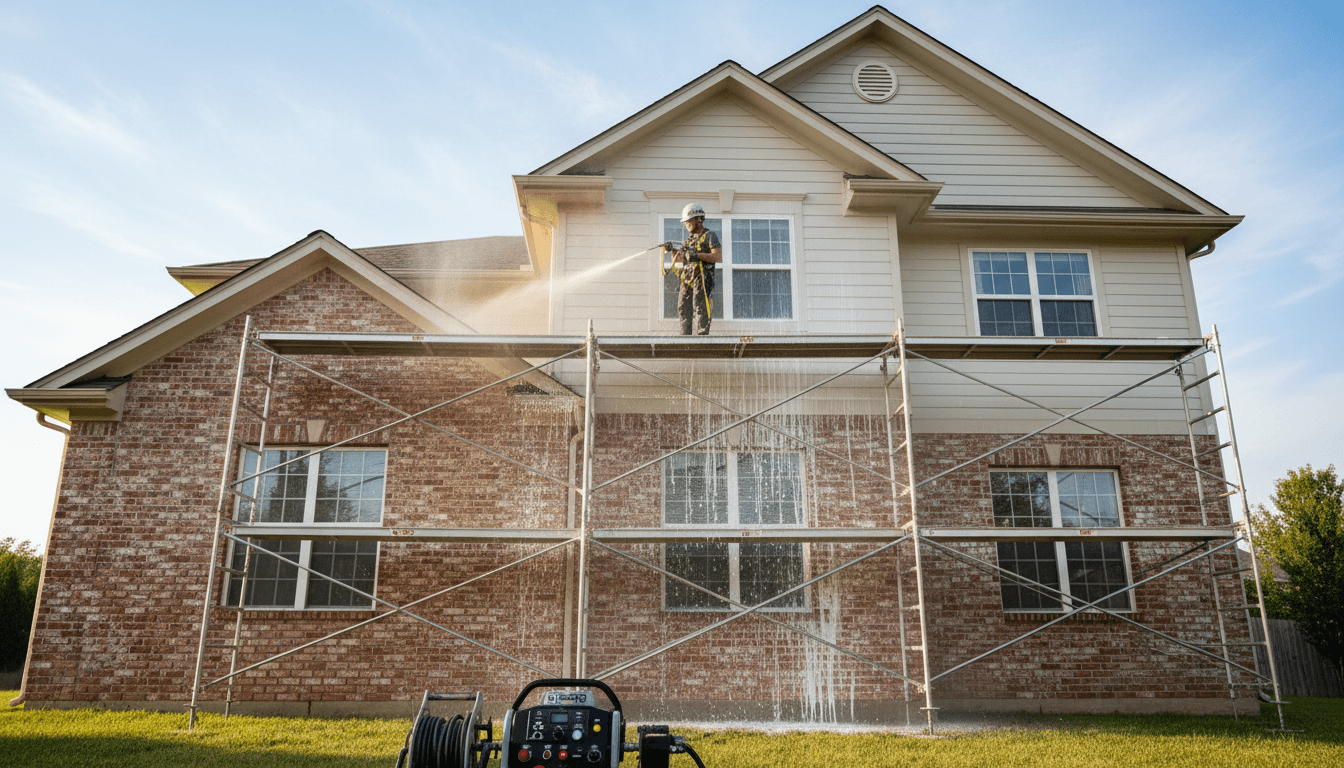
You scrubbed the siding last summer, maybe even rented a pressure washer to blast it clean, and within a few months the dark streaks and fuzzy green patches were already creeping back. Sound familiar? For homeowners in Columbus and Phenix City, mold and mildew on house siding is not just a cosmetic headache; it is a recurring problem driven by our humid Southern climate, and ignoring it can lead to real damage to your home's exterior over time. In this post, we're going to break down exactly why mold keeps coming back, what the different types actually are, why most DIY approaches fall short, and what you can do, starting today, to get ahead of it for good.
Why Mold on House Siding Is Such a Common Problem in Columbus and Phenix City
If you live in Columbus or Phenix City and you feel like the mold on your house siding just keeps coming back no matter what you do, you are not imagining it. The humid subtropical climate here is genuinely one of the most hospitable environments for mold, mildew, and algae growth in the entire country. Summers are hot and wet, rainfall is frequent, and winters rarely drop cold enough long enough to kill off dormant spore colonies. The Chattahoochee River corridor running right through the region adds another layer of ambient humidity that keeps exterior surfaces damp well after a rain event clears.
Those conditions do not just favor mold growth during certain seasons. They sustain it nearly year-round.
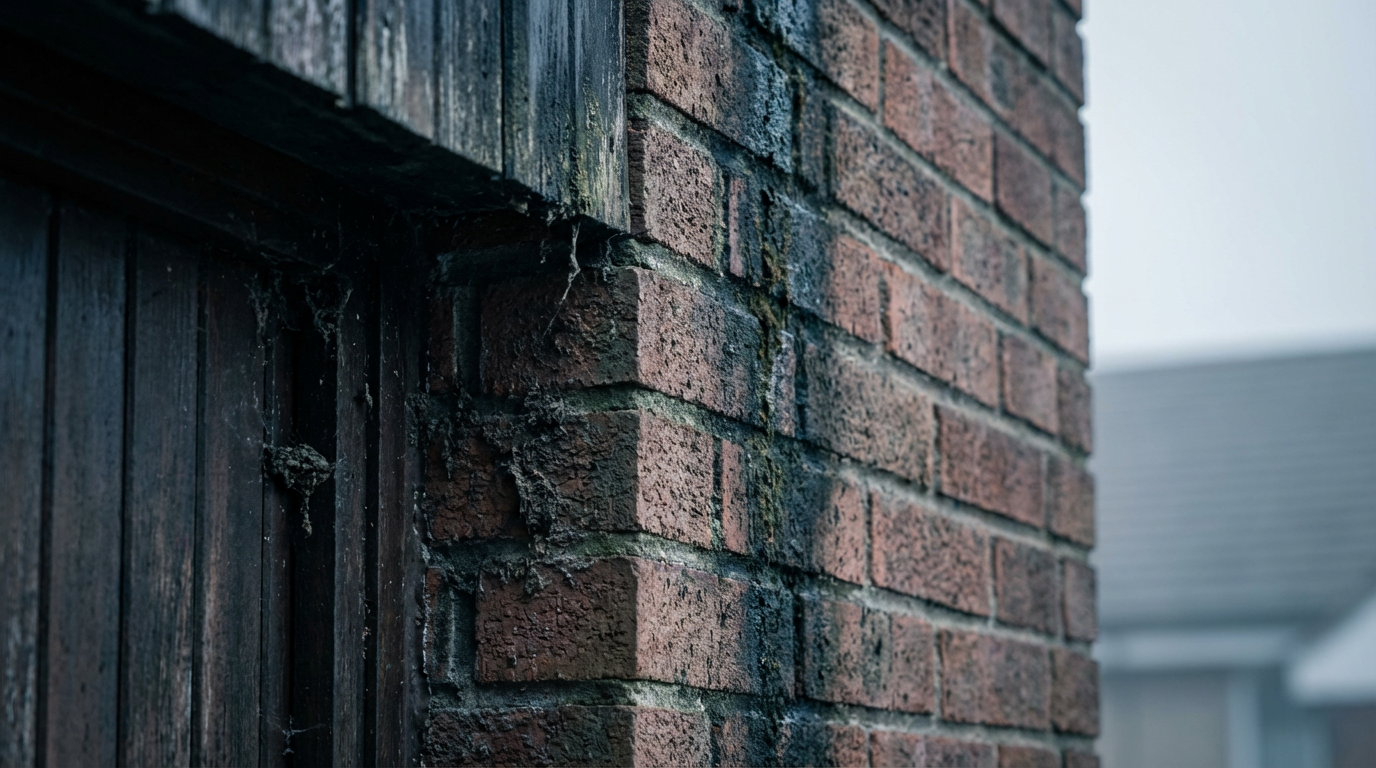
Not everything dark or discolored on your siding is the same organism, and the differences matter. Mold typically appears fuzzy or raised with darker coloring, often black, gray, or green. Mildew lies flat against the surface and looks powdery or dusty, usually white or gray. Algae shows up as green or dark black streaking, particularly on north-facing walls and shaded areas that stay moist longest. Knowing what you are looking at is the first step toward understanding why it keeps returning.
The Real Reasons Mold Keeps Coming Back (It's Not Just Dirt)
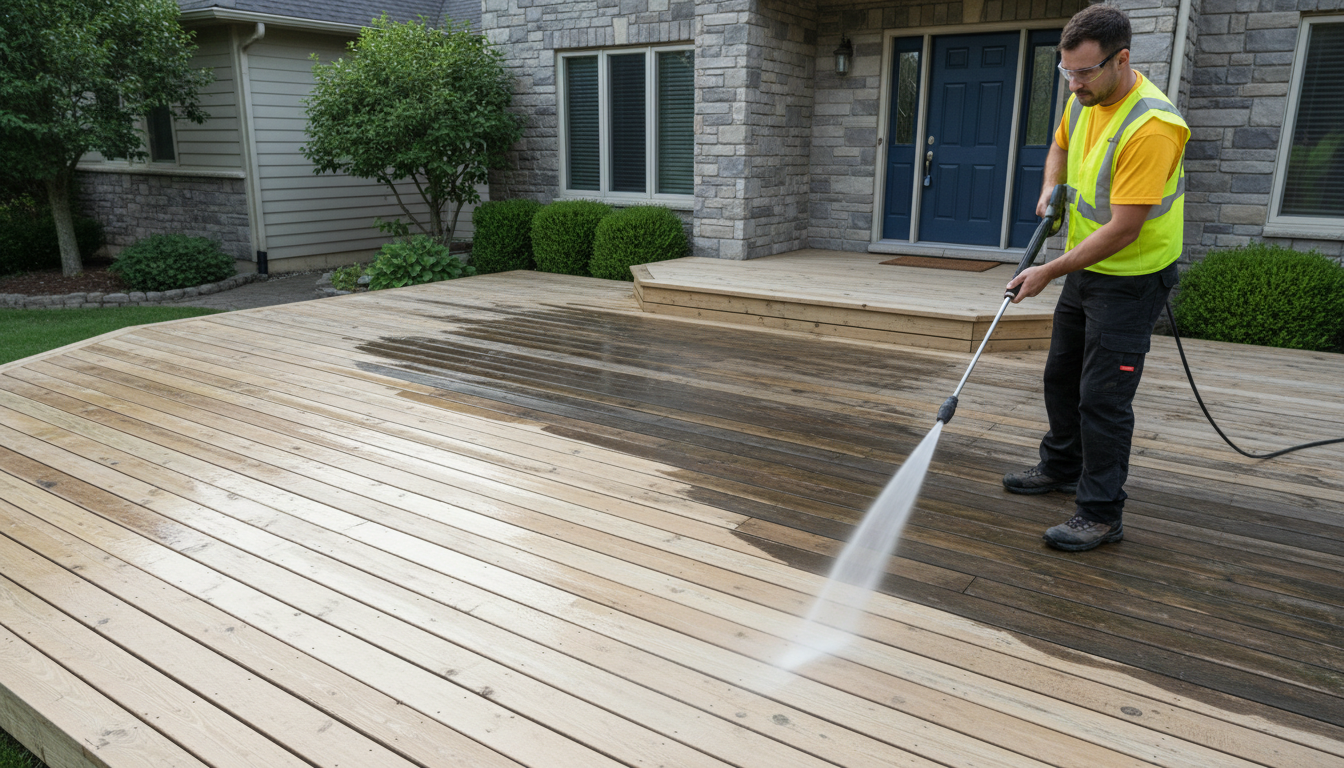
Understanding why mold keeps coming back starts with recognizing a critical distinction: cleaning the surface and killing the colony are not the same thing. Most homeowners scrub or spray the siding, see the discoloration disappear, and assume the job is done. But mold reproduces through spores and mycelium that anchor into porous siding materials. A surface wipe-down, even with a bleach solution, often bleaches the pigment without penetrating deeply enough to destroy the underlying spore bed. Within weeks, especially in Columbus and Phenix City humidity, that colony is actively regrowing.
Location on the house matters more than most people realize. North-facing and heavily shaded walls receive little direct sunlight, meaning they stay damp for hours longer after rain than south-facing surfaces do. In older Columbus neighborhoods with mature tree canopy overhead, that shade is nearly constant. Wet siding that rarely fully dries out is not just a surface problem waiting to happen; it is a permanent hosting environment for mold.
Organic material plays a bigger role than most cleaning guides acknowledge. Pollen, tree sap, and fine dirt settle into siding texture and act as a food source that accelerates mold colonization. Columbus has one of the heavier pollen seasons in the Southeast, which means a fresh organic layer is deposited on exterior surfaces starting in February and continuing through spring.
Two infrastructure issues quietly drive mold recurrence in ways that are easy to overlook. Clogged or overflowing gutters send sheets of water directly down the siding face with every rain event, keeping that surface repeatedly saturated. Irrigation sprinkler heads aimed too close to the foundation hit siding on a set schedule, adding moisture that has nothing to do with weather.
Finally, dense landscaping planted against the house foundation traps humidity against the siding by blocking airflow. Shrubs and mulch beds that touch the wall create a microclimate that makes it essentially impossible to prevent mold recurrence without first correcting the conditions feeding it.
Black Mold, Green Mold, White Mold: What You're Actually Looking At
Knowing why mold returns is more useful once you can accurately identify what you are actually dealing with. The color and texture of the growth on your siding tells you a lot about what organism you are looking at, and the answers are often different from what homeowners expect.
Dark black or gray streaking is most commonly Gloeocapsa magma, a cyanobacteria that thrives in humidity and feeds on limestone-based materials in roofing and siding products. It is the same organism responsible for the dark staining you see running down asphalt shingle roofs across Columbus neighborhoods. True mold can also appear nearly black, but the streaking pattern, particularly on vertical runs down the siding face, usually points to Gloeocapsa magma.
Green growth is typically algae or Cladosporium, a common outdoor mold species. It tends to colonize shaded, damp walls first and spreads outward as conditions allow.
White or chalky patches are frequently misidentified as mold. What you may actually be seeing is efflorescence, which is mineral salt deposits pushed to the surface as moisture moves through brick or concrete. Efflorescence is not biological and does not respond to mold treatments. A lighter mildew species can also appear white and powdery, so the distinction matters before you treat.
As for whether mold on house siding is dangerous, the direct health risk from exterior mold is significantly lower than interior mold exposure. The more practical concern is material damage. Left untreated, mold traps persistent moisture against the siding surface, accelerates material degradation, and can in rare cases work behind panels into wall cavities where the risk profile changes considerably.
Why DIY Cleaning Methods Don't Prevent Mold from Returning
The DIY cleaning guides are not wrong, exactly. A 1:4 bleach solution, a vinegar mix, or a mild dish soap scrub can absolutely remove visible mold from house siding. The problem is that temporary removal and actual elimination are two very different outcomes, and most DIY methods only deliver the first one.
Diluted bleach applied through a standard garden sprayer is the most common approach, and it has a real limitation that rarely gets discussed. Siding materials like vinyl, fiber cement, and wood have surface texture and porosity that anchor mold colonies below what the eye can see. A diluted solution sitting briefly on the surface bleaches the pigment and kills surface-level growth, but it often does not penetrate deeply enough to reach the spore bed embedded in the material. The mold looks gone. The colony is not.
Scrubbing introduces a separate problem. Physical agitation with a brush spreads spores to surrounding areas that were previously unaffected, effectively seeding new colonies while you clean the original patch.
High-pressure washing compounds the issue on vinyl and wood siding. Forcing water at pressure behind panels, into seams, or through compromised caulking creates new moisture intrusion points that accelerate the exact regrowth you were trying to prevent. Industry guidance specifically warns against power washing wood siding because it strips paint and stain finishes, leaving the raw material more vulnerable than before.
Vinegar, acetic acid, is mildly biocidal and can slow surface mold, but it evaporates quickly and leaves no residual protection. Once it is gone, the surface has no defense against recolonization. That is why homeowners using these methods often find themselves repeating the process within the same season.
How Professional Soft Washing Stops the Mold Cycle for Good

All of that explains why the cycle continues when homeowners rely on DIY methods. Breaking it requires a fundamentally different approach, and that is exactly what professional soft washing delivers.
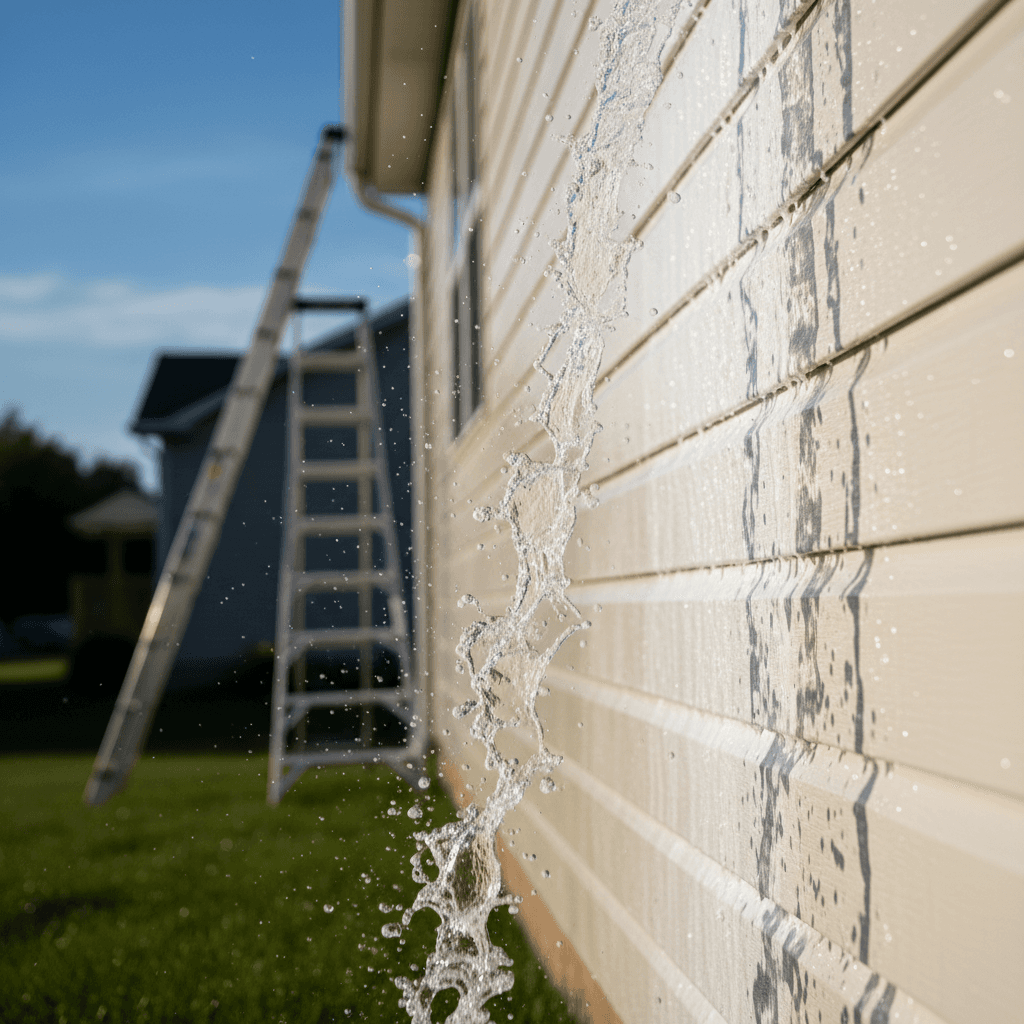
Soft washing uses a low-pressure delivery system, typically under 500 PSI, to apply cleaning solution across the siding surface. That pressure level is firm enough to carry the solution into surface texture but far below the threshold that forces water behind vinyl panels, strips paint from wood, or damages fiber cement. The work is done by chemistry, not force.
The cleaning solutions used in professional soft washing are where the real difference lives. Professional-grade surfactants and biocidal agents penetrate porous siding materials and kill mold, mildew, and algae at the root level rather than bleaching surface pigment and moving on. The surfactants break down the biofilm that anchors colonies to the surface, while the biocidal component reaches the spore bed that DIY dilutions typically cannot. At Country Boys Pressure Washing, we use surface-safe cleaning solutions specifically formulated for exterior soft washing, appropriate for vinyl, fiber cement, wood, and brick without degrading finishes or driving moisture into the material.
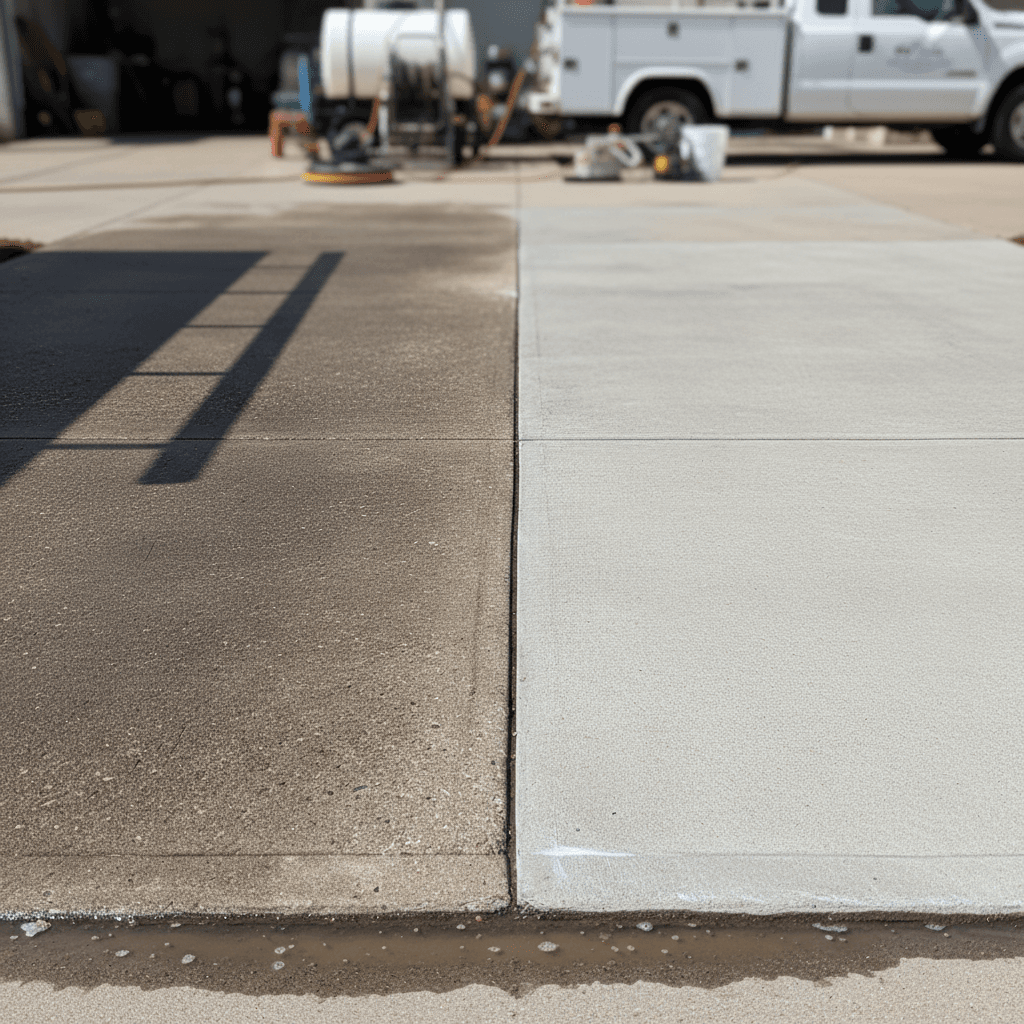
Residual protection is the factor that separates a professional professional soft washing service from anything you can replicate with a garden sprayer. The solution continues working after the rinse, inhibiting recolonization on treated surfaces. That is why results from a professional soft wash typically last one to three years, depending on shade coverage, tree canopy, and which direction the wall faces. DIY methods, even when executed correctly, tend to show regrowth within weeks or months under Columbus and Phenix City conditions.
If you want to see what a difference it makes, the results speak for themselves.
5 Things Columbus Homeowners Can Do Right Now to Slow Mold Growth
That residual protection buys you time, but it does not eliminate the underlying conditions that favor mold growth on house siding in the first place. These five steps give you real leverage between professional cleanings.
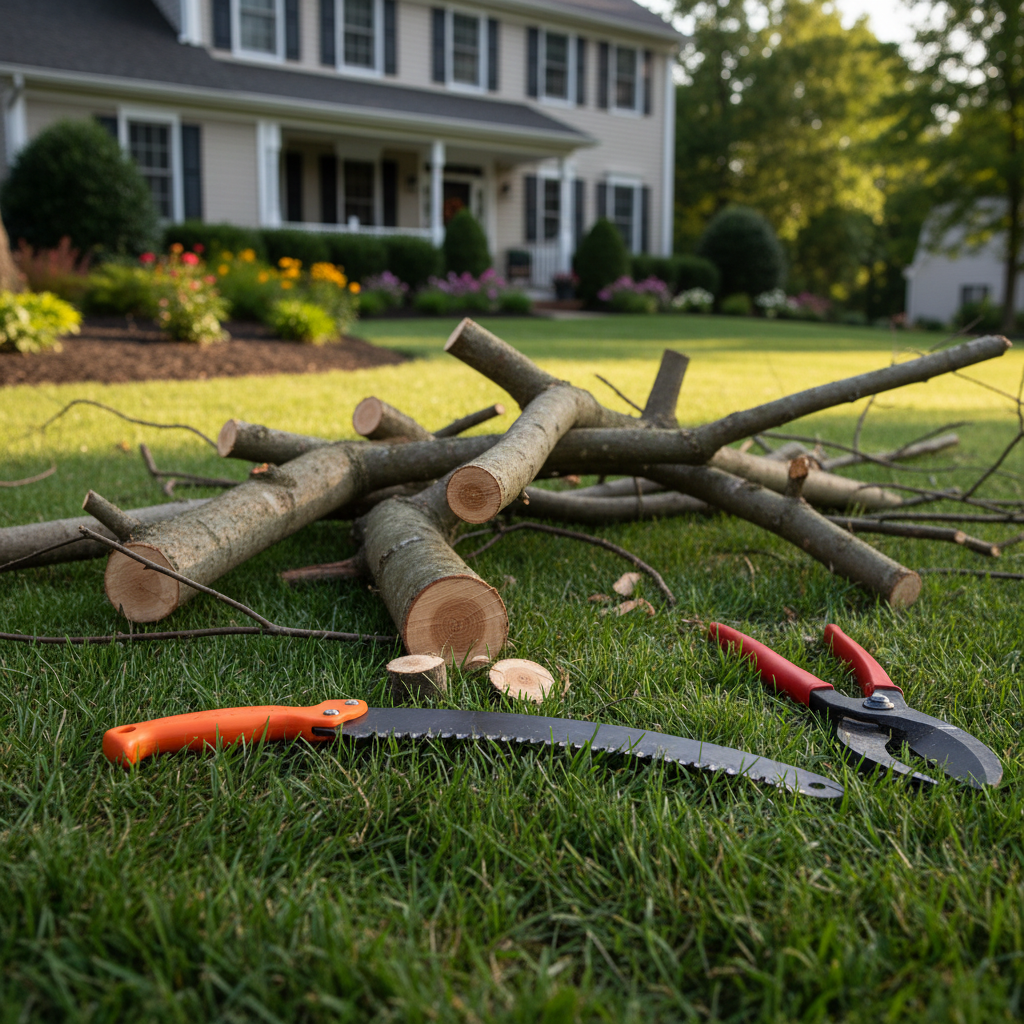
Trim back vegetation at least 18 inches from all siding surfaces. North and west-facing walls are the priority since they receive the least direct sun and stay damp longest after rain. Dense shrubs and overhanging branches block airflow, hold moisture against the surface, and keep shaded siding in near-constant mold-friendly conditions. This single change has a compounding effect on everything else you do.
Audit your sprinkler system and redirect any heads hitting the foundation or siding. Irrigation adds moisture on a fixed schedule regardless of recent rainfall, and it delivers water directly to the base of the wall where it wicks upward into siding seams. Repositioning a head takes minutes and eliminates a recurring moisture source that works against you year-round.
Clean gutters in both spring and fall. In Columbus, the spring cleaning matters especially because the February through May pollen season deposits a thick organic layer across roofing and gutter surfaces. When gutters clog and overflow, that organically loaded water sheets directly down the siding face, feeding mold colonies with exactly the nutrients they need to expand.
Inspect and reseal caulking annually around windows, doors, and any utility penetrations. Cracked caulk is a direct pathway for moisture to reach the wall cavity behind the siding. Mold that establishes itself behind the panel is far harder to address than surface growth.
Schedule a [professional soft washing service](/before-and-after) every one to two years rather than waiting for visible buildup to return. By the time mold is clearly visible, the colony is already well established. Treating on a proactive schedule keeps the spore load low and the residual protection active before regrowth gains traction.
When to Call a Professional Instead of Tackling It Yourself
Proactive maintenance handles most situations, but some conditions are a clear signal that DIY methods are not the right tool for the job.
Call a professional when mold covers more than a quarter of the siding surface. At that scale, the colony is deeply established and spread well beyond what surface cleaning can address effectively. The same applies when growth appears on multiple sides of the home simultaneously, which usually indicates a systemic moisture condition rather than an isolated spot.
If you have cleaned the same area twice in a single season and watched it return within weeks both times, that recurrence pattern tells you something about the depth of the colony that another bleach application will not solve.
Pay close attention to a few specific warning signs: soft spots in the siding material, paint peeling from the interior side of exterior walls, or a musty smell near the wall surface. Any of those suggests mold has worked behind the panel, where the risk and the repair cost increase considerably. Older wood and fiber cement siding also warrant professional handling, since high-pressure cleaning on those materials can accelerate the damage rather than correct it.
Catching it early with a professional soft washing service is reliably less expensive than siding replacement or interior remediation. Country Boys Pressure Washing serves homeowners throughout Columbus, GA and Phenix City, AL with straightforward, transparent pricing. Contact Country Boys Pressure Washing when you are ready to get a clear answer on what your home actually needs.
Keeping your siding clear of mold requires more than just a quick rinse; it requires a deep cleaning that addresses the root cause of growth. While DIY efforts can help in the short term, the organic spores often hide in small crevices. If you want expert help to ensure your property stays pristine, our team is ready to provide specialized solutions. For those managing larger areas, our services in Community Cleaning offer a comprehensive approach to maintaining multiple units at once. Regular care ensures your home remains beautiful and protected for years to come.